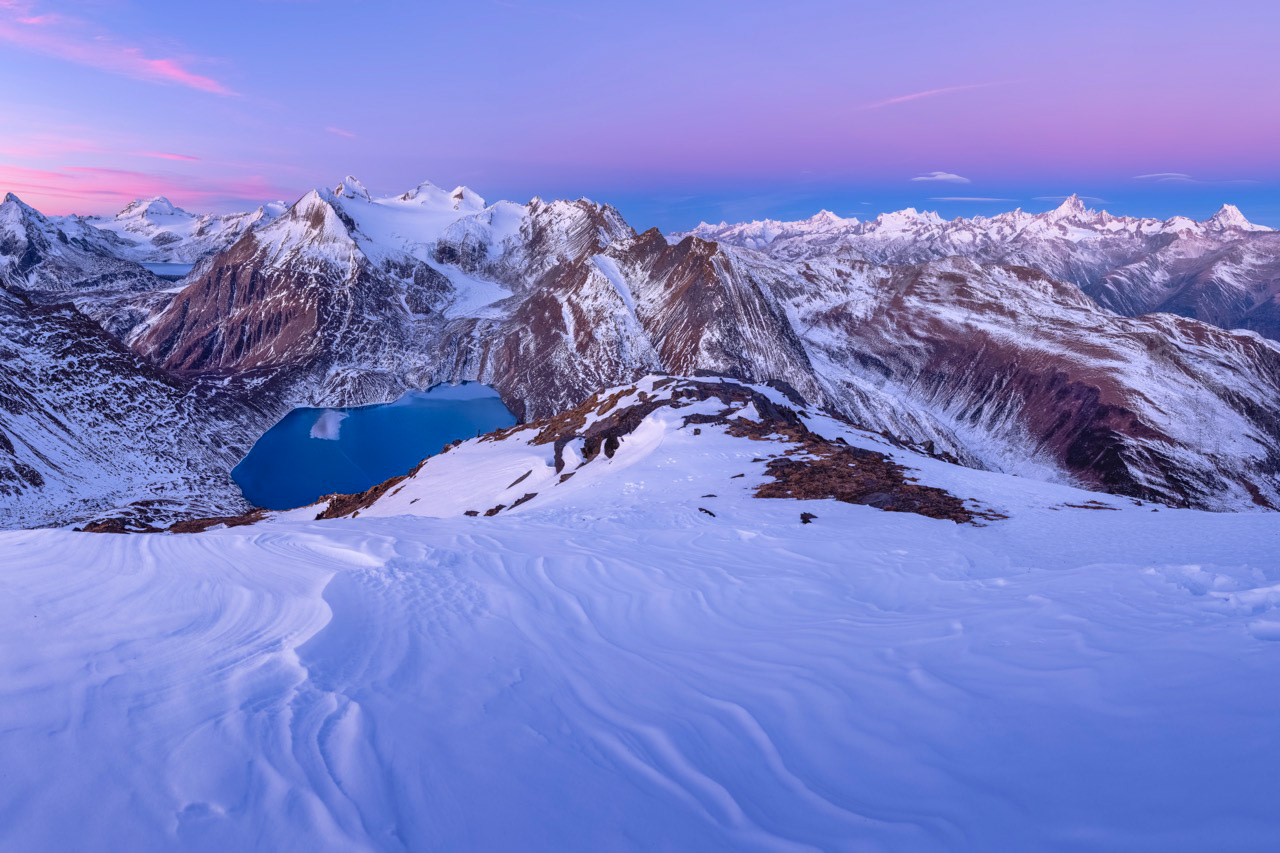
Frozen morning glow in the Swiss Alps
Late Fall, 2024, after the first snows had coated the rocky landscape above the tree line, I found myself in the Swiss Alps hoping for one last adventure before heading home. I had scouted this location on google earth, and hoped to photograph a sunrise from here. However, the road leading up the mountain was already closed for the season and mostly covered with about 6 inches of snow. On top of that my winter gear was severely lacking as my shoes were trail runners and I had no spikes, ice ax, or trekking poles. After spending nearly the entire day gaining over 5,000 feet of elevation first up the road than up a makeshift use trail to the mountain summit, my feet were close to frostbite and the cold was reaching my core. I quickly got my tent set up, dry clothes on, hand warmers on my feet, and settled into my tent. Waking up to this view in the crisp morning air with the vast alps spread out all around me made the climb and the cold with it.
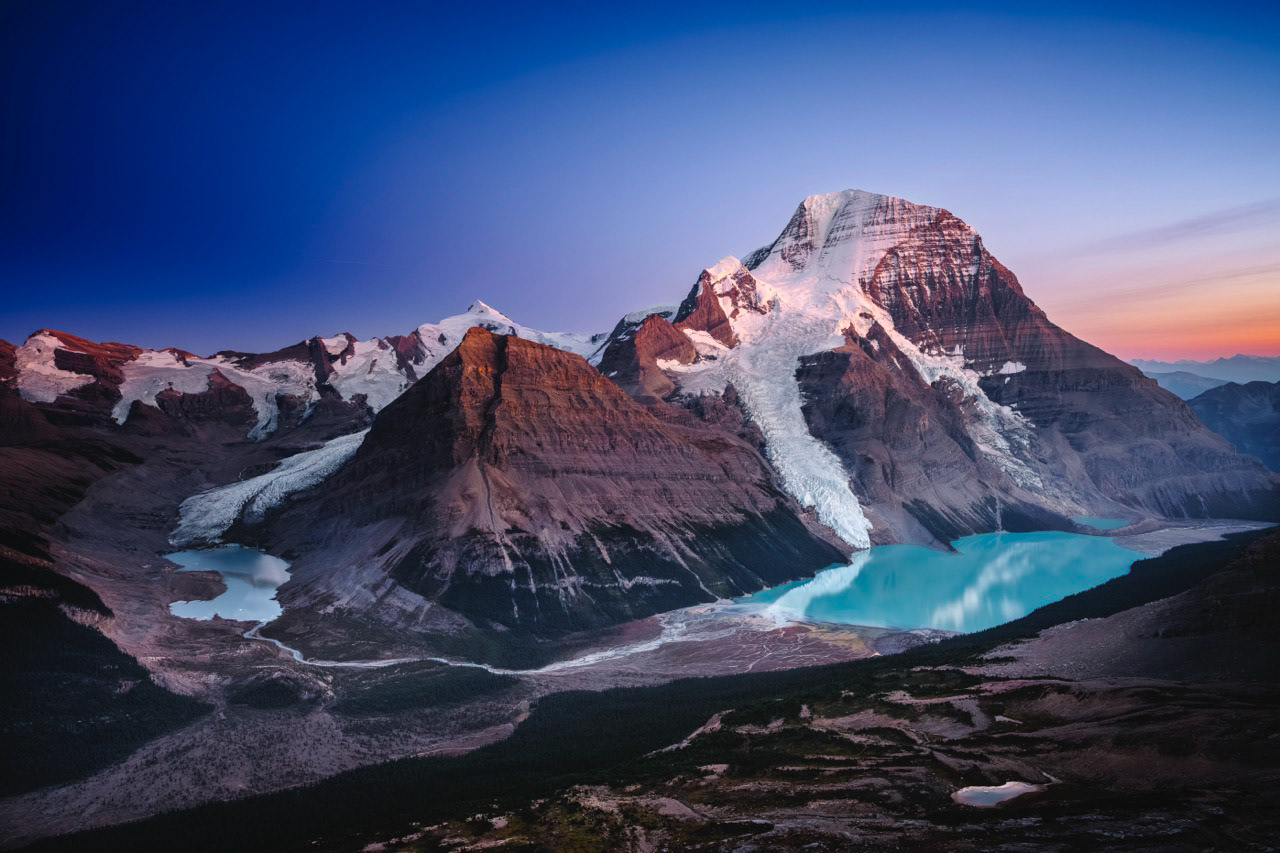
The roof of the Canadian Rockies
Five years ago, significant flooding in Mount Robson Provincial Park, closed access to the tallest mountain in the Canadian Rockies for four summers. Having been twice before, but not really captured this majestic mountain the way I imagined, I was excited to return when the trail was finally rebuilt and the park opened back up last year. A one day push to Berg Lake followed by a much briefer climbs the following day, led to this sunset spot on the ridge of a rarely climbed peak opposite Mount Robson. The Robson Glacier wraps around this massive peak which towers nearly a mile above the location from which this photo was shot and 8,000 feet above the Berg Lake on the right. I've alway found it hard to capture just how impressive this massif is but I hope this shot at dusk does it some sort of justice.
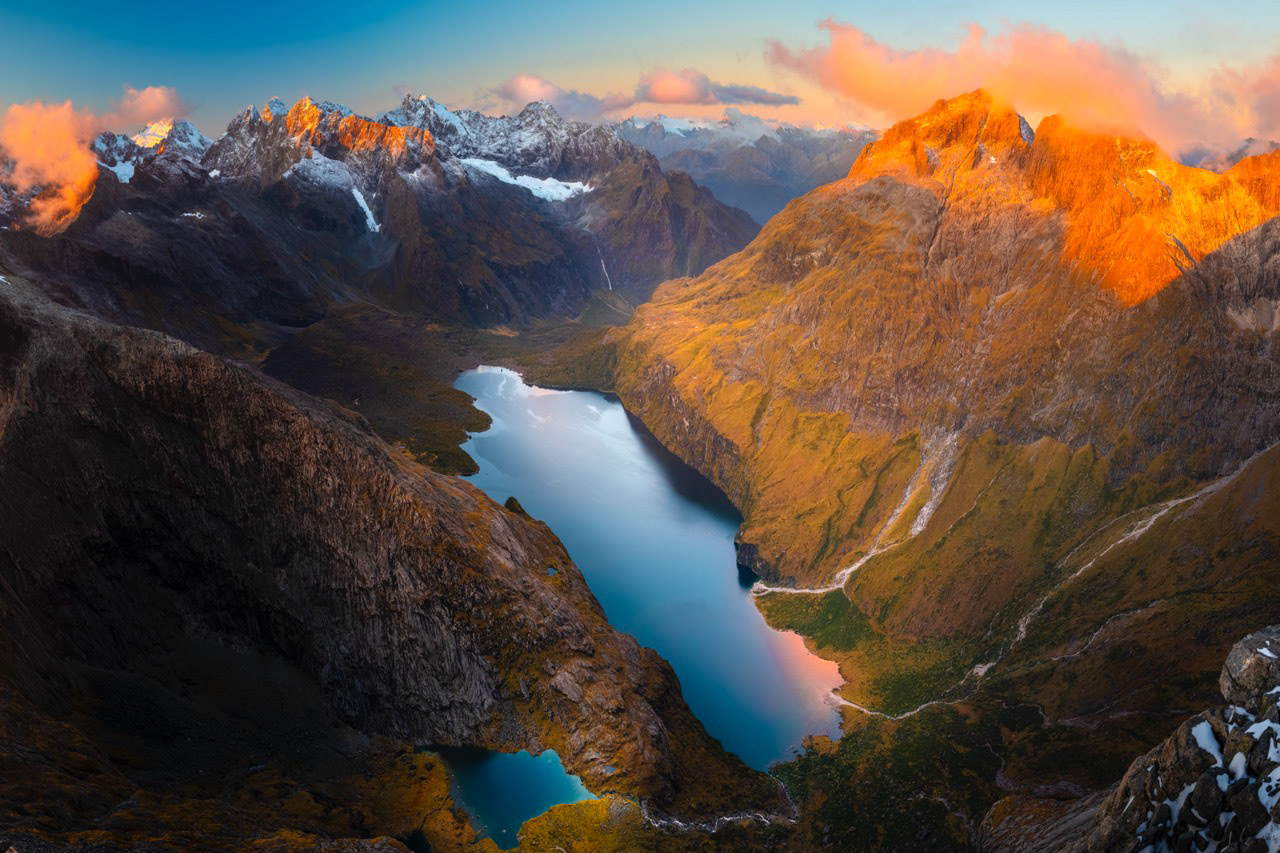
Fiordland National Park glowing orange
Gertrude Saddle is a fairly popular hike with a bit of light scrambling in Fiordland National Park, South Island, New Zealand. What many people miss is the continued scramble, occasionally marked by cairns and definitely not just a hike, to the summit of Barrier Peak. I would say the scramble is mostly class II, but the climate of this part of the world is what makes things get really interesting. After enjoying the stunning colors of sunset and watching the last alpen glow on these jagged peaks, it was time to head back down. Light wet snow coated the rocks making them hazardous to a mistep. Reaching the official trail at the base of the scramble only brought temporary relief. As I descended deeper into the valley, a thick fog rolled over the trail. Certain sections cross water coated slipper inclined granite with only occasional markers to lead the way. Navigating through a dark fog is etra challenging as a headlamp often makes visibility even worse. After many missturns and close calls, I finally reached a trail that didn't require every ounce of consentration and felt the relief of fast walked miles back to my car.
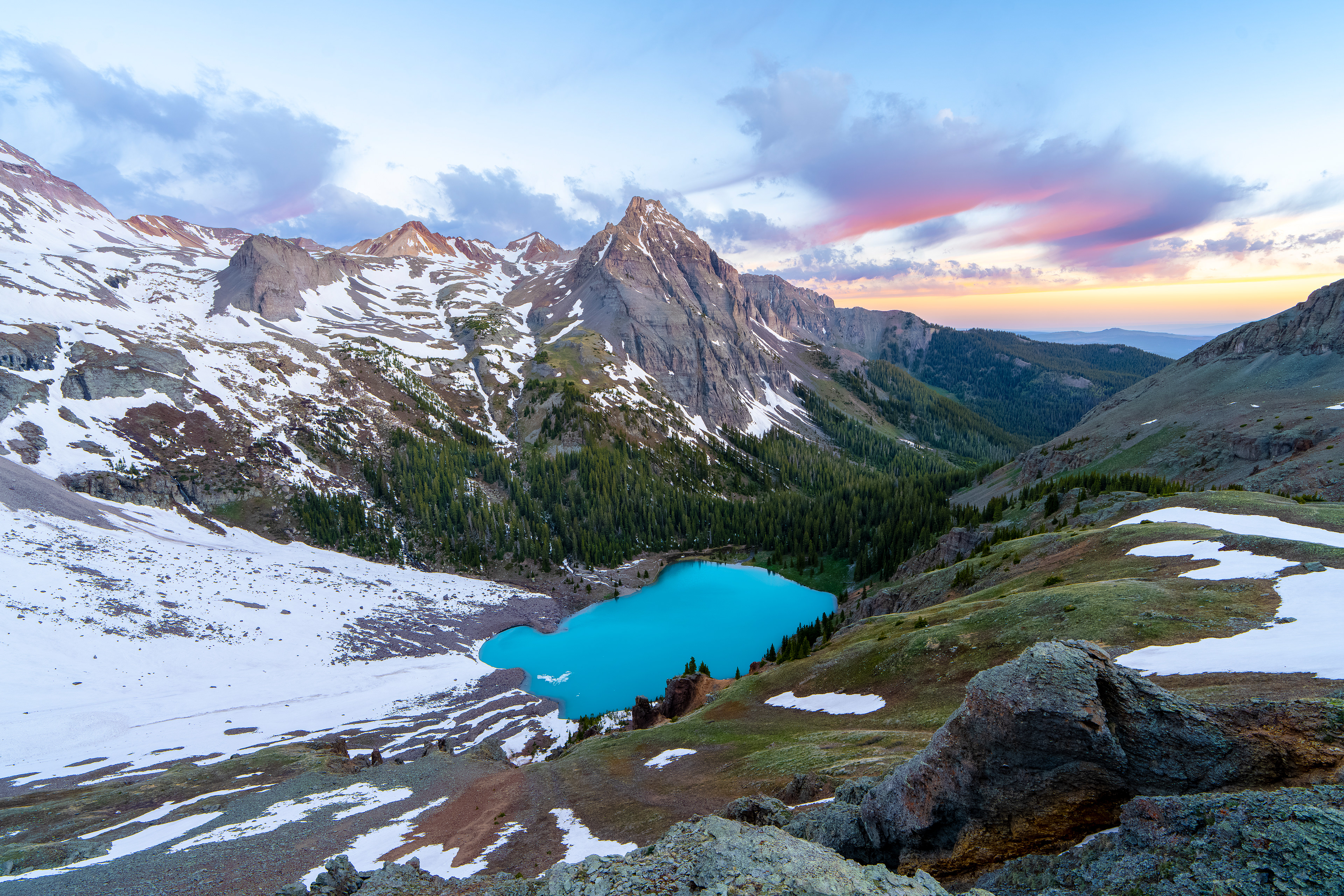
Spring melt in the San Juans
When one of my good friends invited me to hike up in the dark to watch sunrise over one of Colorado's most popular lakes before the crowds arrived, I couldn't resist. It was early season, and I was not in hiking shape. There's always a hint of doubt in the back of my mind when I'm hiking up for sunrise as to whether or not I will make it to the top in time. If course, more often than not this means reaching the sunset location with an hour to spare and trying to stay warm waiting for the light. But this time it was a little closer as I wasn't sure exactly the composition I wanted for this shot. This early in the season, there was only one tent spotted in the trees around the lake. No other groups were on this ridge and the soft light of sunrise was shared only with the birds and a couple friends.
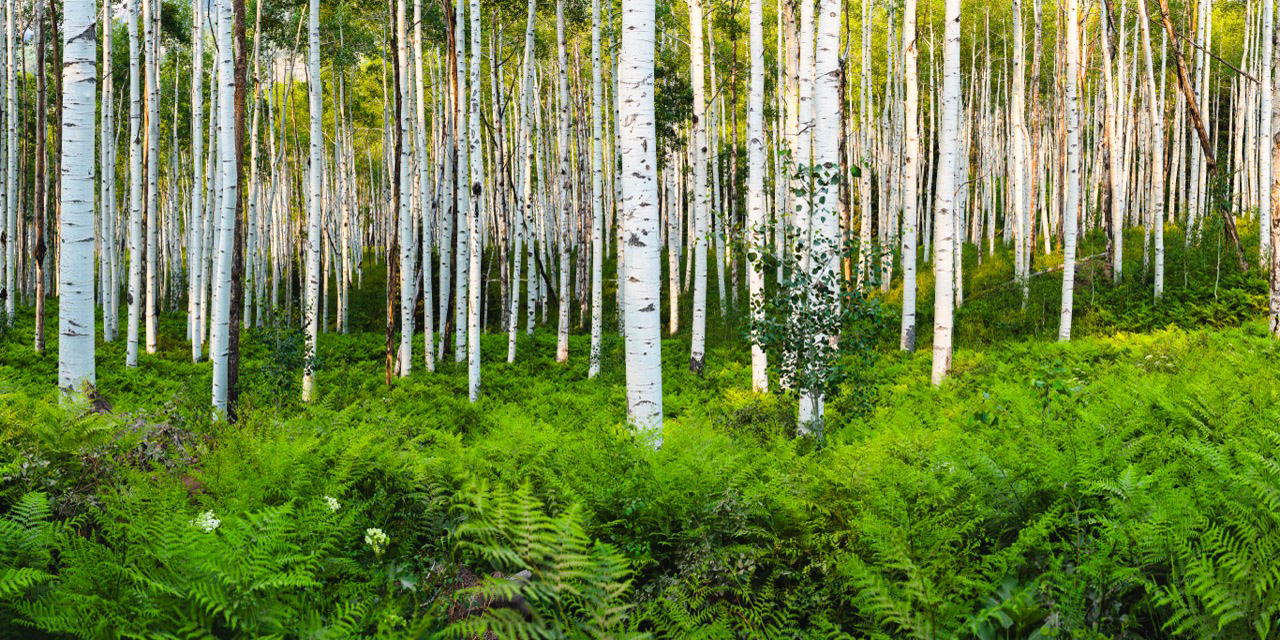
A sea of ferns and aspens
Its hard to think of a place more peaceful than a forest filled with aspens towering above a floor of ferns. Colorado doesn't have as many ferns as some other western mountain states, but if you know where to look for them, they do exist and in some places are prolific! Aspens of course are known for their brilliant yellow colors in the fall which I certainly love, but something about the brilliant green of the ferns underlying the new leaves of the spring aspens was irresistible this evening. I wonder if the ferns are still there when the colors turn or do they dry out over the summer.
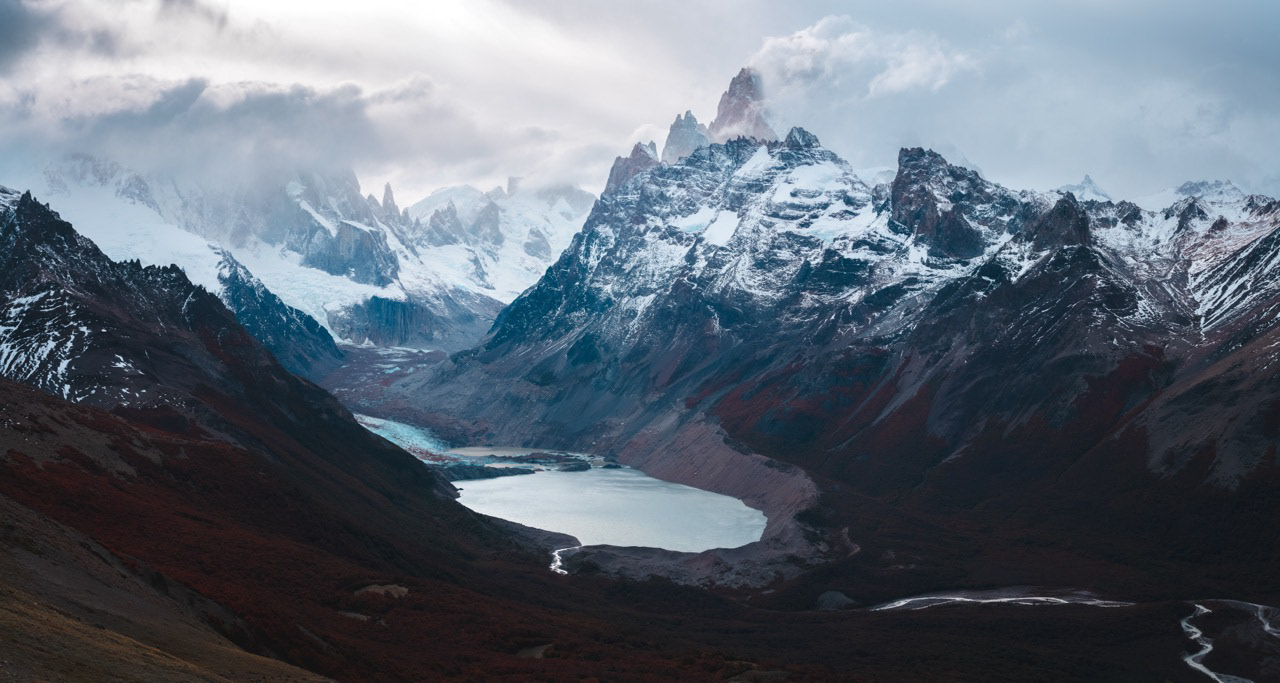
Clearing Patagonian Storms
Patagonia is well known for its ferocious winds and dangerous storms. Visiting El Chalten, Argentina, base camp to two of Argentina's most famous mountains, can be a challenge fitting hikes or climbs into narrow weather windows. Sometimes you just have to go for it, despite the wind, the swirling clouds, and the graupel pelting your skin. Hopefully that slim chance of the storm clearing your weather app indicated will actually come to fruition and the views will be glorious. This is exactly where I found myself making this final climb on my last day in Patagonia. Amazingly the clouds eventually completely cleared revealing Mount Fitz Roy and Cerro Torre in all their glory. However, this view while the sky was still moody and dramatic ended up being my favorite shot of the climb. You can still feel the storm in the air, the ground is still soaked, your rain jacket is blocking the wind, and the mountains can't decide if they want to pierce through the clouds of hide behind them.
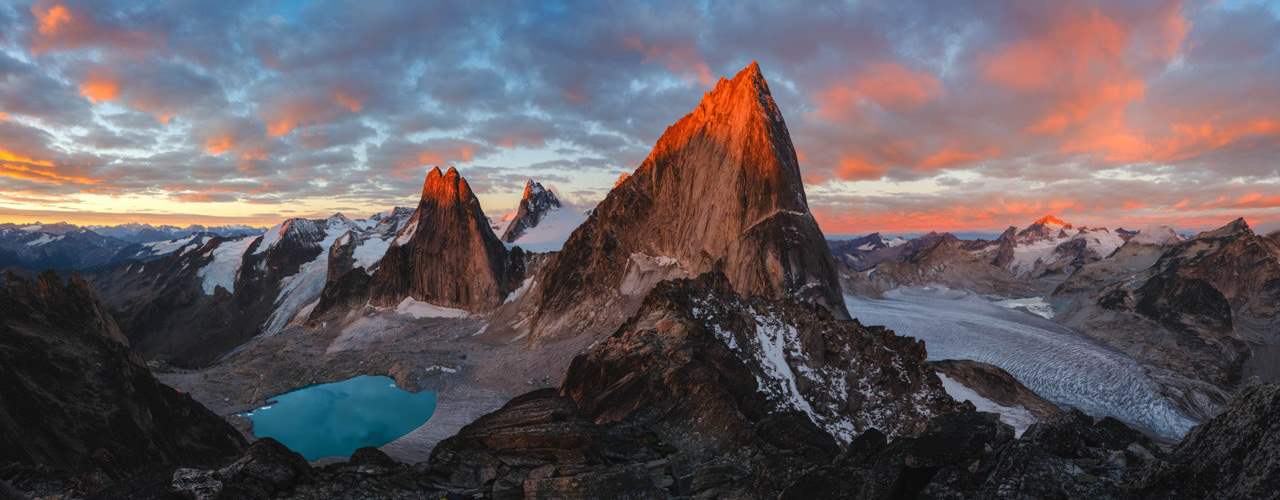
The roof of Canada's Yosemite
I love finding places that few if any serious photographers have ever shot. This location had been shot by two photographers that I am aware of before me and my friend decided to have a go of it ourselves. There isn't really a trail or even cairns to mark the way. Most people that come to Bugaboo Provincial Park are either casual hikers camping or staying at the hut, or serious rock climber hoping to scale these magnificent granite cliffs that some call the Yosemite of Canada. For me, the scrambles in this mountain range lead to some of the absolute best views because you get to both be high up in the mountains but also view those granite cliffs rather than be on them. A few misguided turns on the way up, led me to some brief 4th, possibly 5th class climbing on the way up, all with a heavy bag of camera gear. With no real place to camp, an uncomfortable night on the flattest rock I could find led to little sleep. Waking up to this stunning display of light made it all worth it. And luckily, the decent down a loose scree gully was much less sketchy than the climb up.
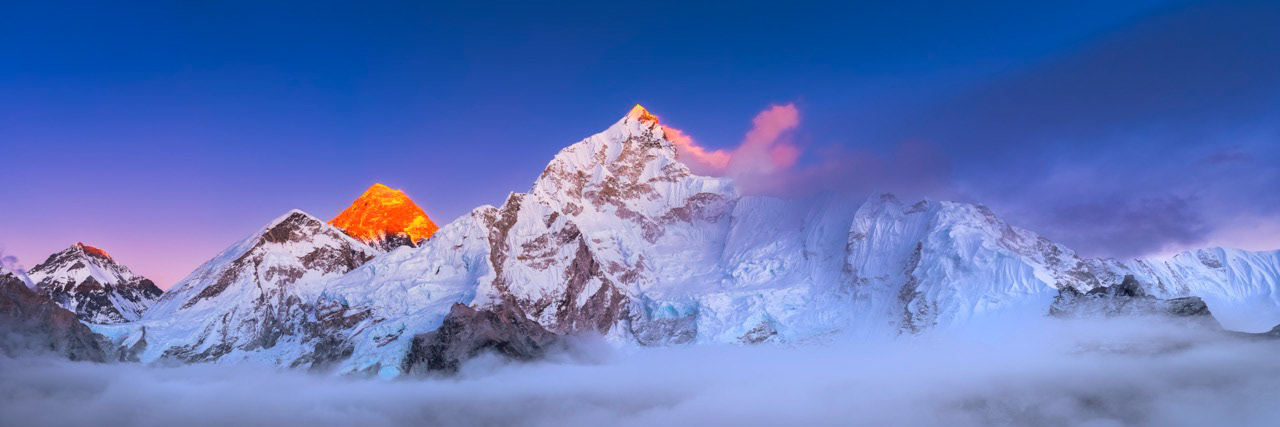
Above the clouds but still miles below the roof of the world
The highest point I've even been in my life and yet still two miles below Mount Everest. The world's highest mountain peaks out behind the more dramatic Nuptse in the foreground. The glowing light warmly coating Everests frozen slopes, give away the fact that it is actually thousands of feet taller than Nuptse. Like so many photographs I create, this one really didn't seem like it was going to happen as the evening clouds filled the valley and I huffed and puffed my way up this small hill to nearly 18,000 feet. However the clouds did indeed part in time for the last light to catch these Himalayan giants and I shot this panorama as the temperatures dropped and light faded.
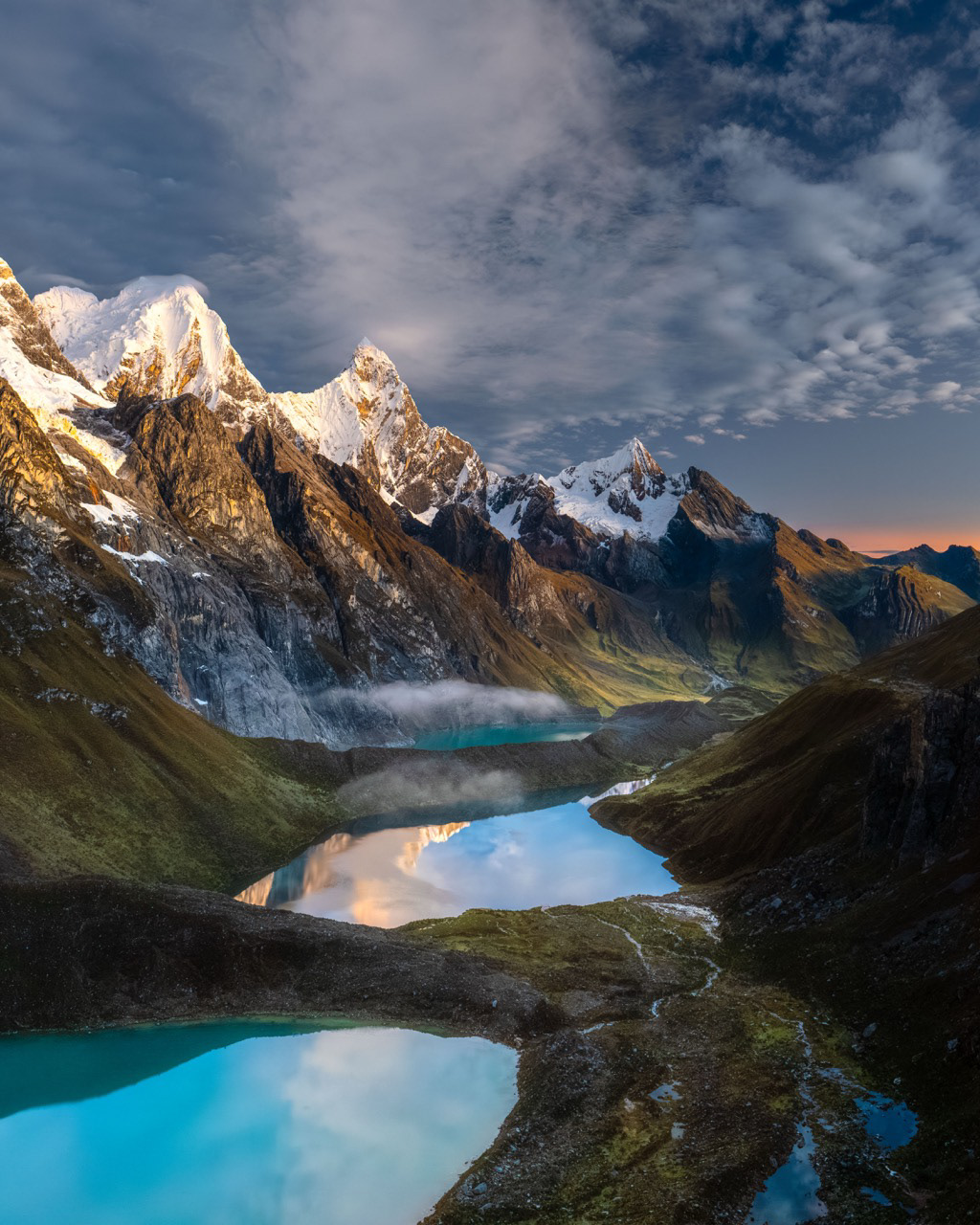
Three Lakes to Paradise
Arguably the most beautiful mountains in Peru, the Cordillera Huayhuash requires quite a trek just to reach the trek. However, the winding rough dirt roads that lead to these mountains can be a bit misleading. If you think your headed on a trek through untouched remote wilderness, you will find yourself mistake. Numerous humans and animals live around these dramatic peaks and much of the trek around this range meanders through their homes and livestock. Its not until you climb up this valley along these three lakes that you begin to leave behind the signs of humanity and feel more lost in the wild. I wondered as I struggled for oxygen in the thin air if trees once dotted the steep slopes before giving way to rock and ice. Regardless, if you reach this point for sunrise, you will likely not see a single soul around and the feeling of being in a remote alpine landscape will be real. Staying on the alpine circuit, a more rugged alternate to the traditional route, is a more isolated rewarding option for the intrepid trekker
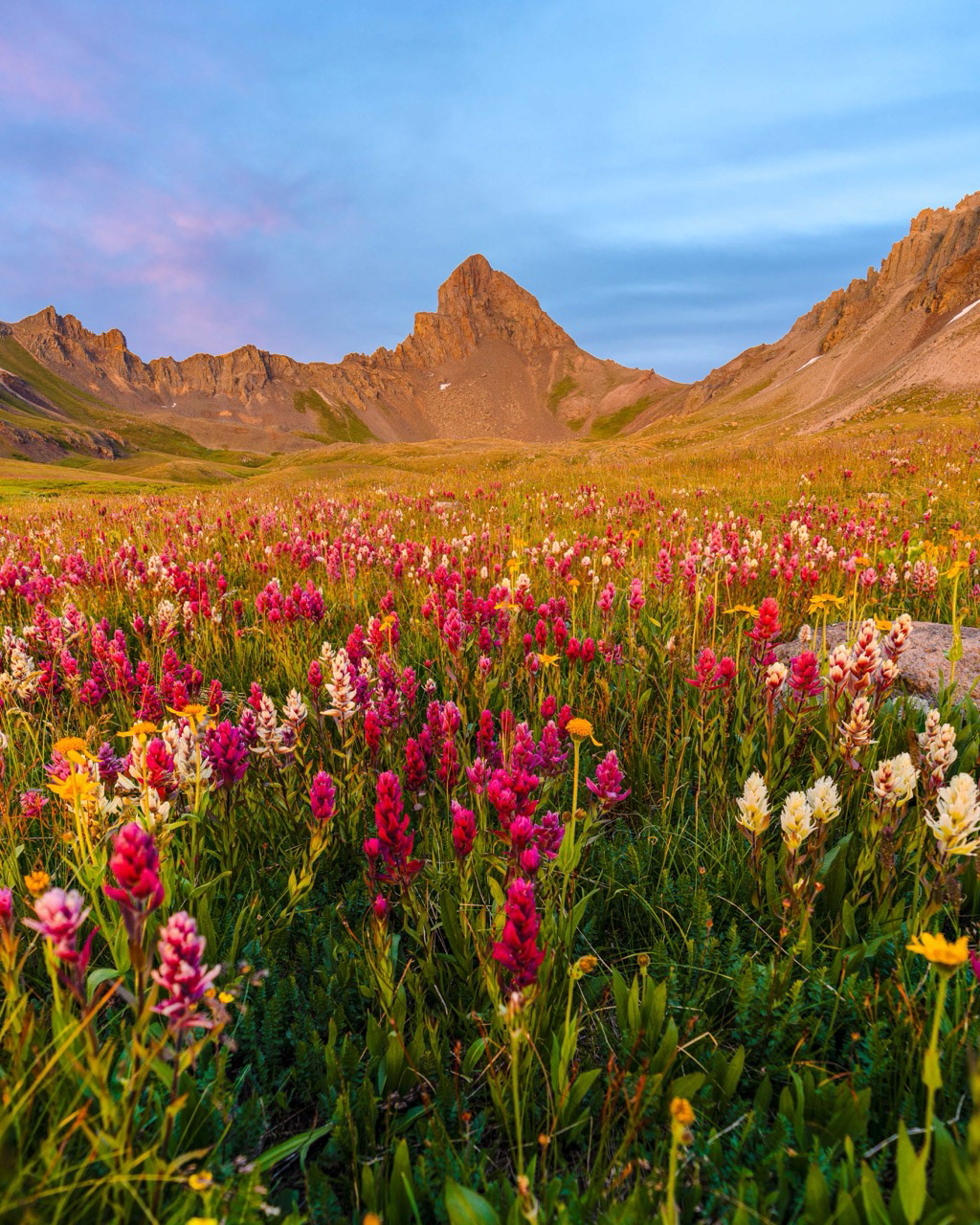
Wetterhorn and Wildflowers
Colorado's San Juans are legendary in the state and often cited as people's favorite moutnain range.